
Advanced Eye Care
Aqueous Shunts (Glaucoma Drainage Implants)
What is Aqueous Shunt Surgery?
Overview
Aqueous shunt surgery — also known as glaucoma drainage device implantation — is a highly effective surgical option for patients with moderate to advanced glaucoma whose eye pressure remains uncontrolled despite medications, laser therapy, or previous surgery. At Cathedral Eye Clinic, we use advanced drainage implants designed to create a new pathway for fluid to leave the eye and maintain long-term pressure reduction.
The procedure involves placing a small, medical-grade implant under the eye’s outer surface. This implant helps regulate the flow of fluid out of the eye, reducing intraocular pressure (IOP) and protecting the optic nerve from further damage. Aqueous shunts are especially beneficial for complex or refractory glaucoma cases and offer a reliable alternative when other treatments are not sufficient.

Benefits
Four compelling reasons to choose minimally invasive treatment
Effective for complex or advanced glaucoma
Aqueous shunts are often recommended when other surgeries, such as trabeculectomy or MIGS, are not suitable or have previously failed.
Significant long-term pressure reduction
These implants help regulate fluid flow continuously, supporting stable and sustained IOP control.
Reduced risk of scarring
Shunts can be particularly helpful for patients whose eyes scar easily, which may affect the success of other glaucoma procedures.
Customisable solutions
Different implant designs allow your surgeon to choose the most suitable device for your unique needs.
Protection of vision
By lowering pressure effectively, aqueous shunts help slow or prevent further damage to the optic nerve.
Meet your Surgeon
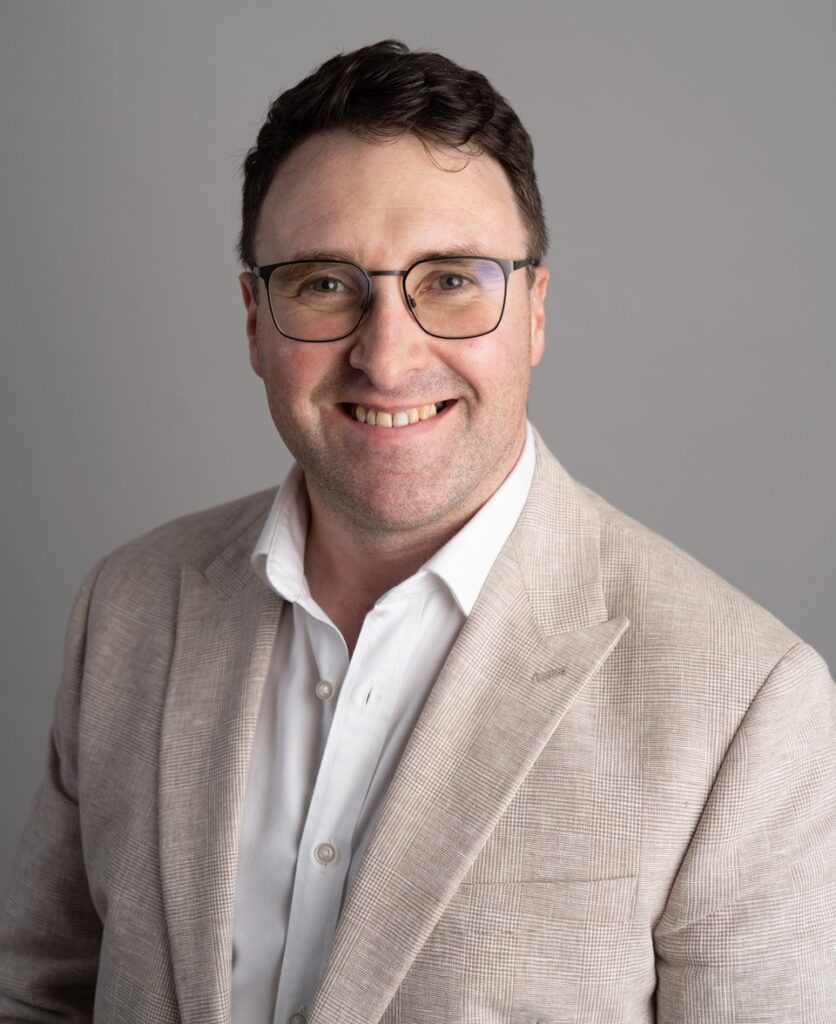
Mr Gerard Reid
Consultant Ophthalmic Surgeon & Glaucoma Specialist
Mr Gerard Reid, MB BCh, BAO, MSc, FRCOphth, is a Consultant Ophthalmic Surgeon specialising in cataract surgery, glaucoma (medical and surgical management) and inflammatory eye disease.
He graduated from medical school in Queens University Belfast and completed a master’s degree (Ophthalmology, Retina) in University College London.
Your Experience
Your Treatment Journey
Expert guidance and personalised care at every step
1
Comprehensive Consultation
Your journey begins with an in-depth consultation with our clinical team.
During this appointment, we carry out a full eye assessment using advanced diagnostic technology to gain a complete picture of your eye health. We take time to understand your symptoms, lifestyle and visual expectations so we can recommend the most appropriate treatment options and support you in making a confident, informed decision.
2
Tailored Treatment Planning
Every patient is unique – and so is every treatment plan.
Once your assessment is complete, your specialist will discuss the most suitable procedure for your individual needs. We prioritise transparency and evidence-based care, ensuring you fully understand the benefits, expectations and alternatives before moving forward.
3
Preparing for Surgery
Before your procedure, our team will guide you through any pre-operative steps, including medication instructions and aftercare guidance.
You will meet your surgeon again to review the treatment plan and have plenty of time to ask questions. Our goal is to ensure you feel fully prepared, supported and reassured ahead of your surgery day.
4
Your Procedure Day
When you arrive, our friendly nursing and technical staff will welcome you and help you feel comfortable.
Your surgeon will talk you through each stage of the process so you know exactly what to expect. As with any eye procedure, vision may be temporarily blurred afterwards, so please arrange alternative transport and avoid driving.
5
Aftercare & Recovery
Following your procedure, we closely monitor your recovery through scheduled follow-up appointments included in your aftercare package.
Most patients notice improvement very quickly, although recovery times vary by treatment. Our team remains available at every stage to answer questions and provide reassurance, ensuring you achieve the best possible outcome for your vision.
Investment in your Vision
Cost & Payment Options
At Cathedral Eye Clinic, we believe clear and honest pricing is essential when planning your glaucoma care.
Making Treatment Accessible
To make treatment more accessible, we offer interest-free finance options , allowing you to spread the cost over manageable monthly instalments.
All aqueous shunt patients also benefit from one year of post-operative appointments free of charge with our Optometry team, ensuring thorough monitoring and continued support throughout your recovery.
Contact our team to discuss personalised pricing and finance options tailored to your needs.
Common Questions
Is aqueous shunt surgery a cure for glaucoma?
No — while the surgery helps lower eye pressure, it does not cure glaucoma or reverse vision loss. It helps slow or halt further optic nerve damage.
Who is suitable for an aqueous shunt?
This surgery is typically recommended for patients with advanced, complex, or refractory glaucoma that has not responded to medications, laser treatment, or previous surgery.
Will I still need drops after surgery?
Some patients can reduce their medications, while others may still need drops depending on the desired pressure level and their eye’s response.
How long does the implant last?
Most aqueous shunts are designed to function for many years, providing long-term pressure control.