Diabetic Eye Disease: What You Need to Know About Protecting Your Vision
When was the last time you thought about your eye health? For many people living with diabetes – or those who may have undiagnosed diabetes – the connection between blood sugar levels and vision isn’t immediately obvious. Yet diabetic eye disease is a leading cause of blindness and one of the most serious complications of diabetes.
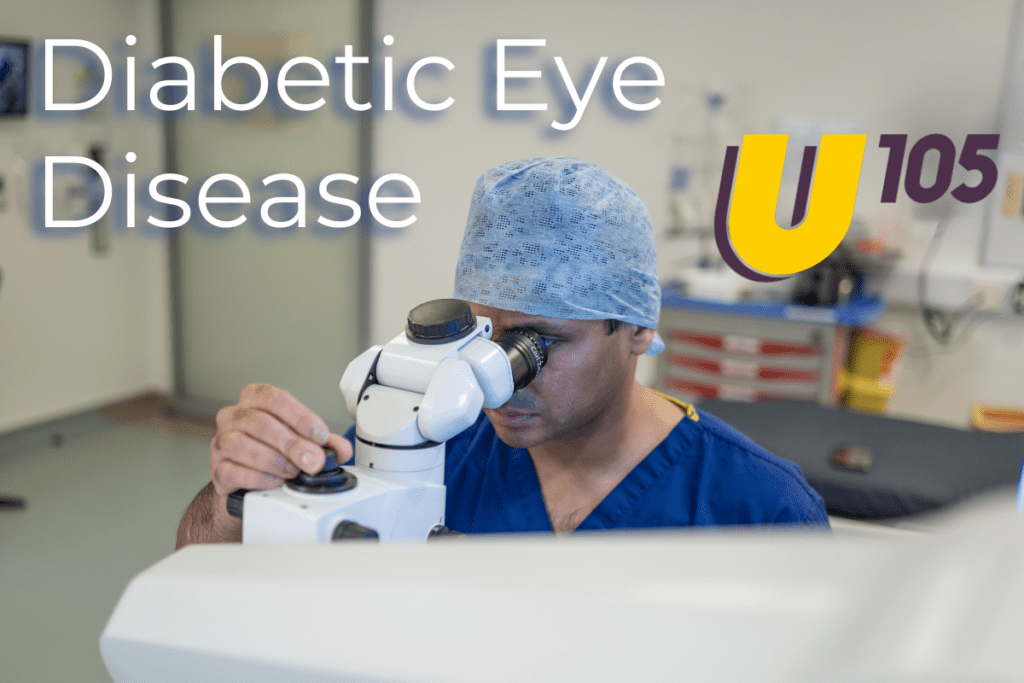
Our consultant ophthalmologist Mr Niraj Mandal joined Frank Mitchell from U105 to discuss diabetic retinopathy, how it develops, and what you can do to protect your sight.
Listen to the Full Interview
Can an Eye Test Detect Diabetes?
Surprisingly, yes. During the interview with Frank Mitchell, Mr Mandal explained that diabetes – a condition characterised by elevated blood sugar levels – can affect virtually any organ in the body. The eyes are particularly vulnerable, especially when diabetes isn’t well controlled.
“If it’s not well controlled, it has very clear manifestations in the eye, particularly at the back of the eye – something called diabetic retinopathy,” Mr Mandal told Frank.
During a comprehensive eye examination, high-resolution digital cameras to photograph the retina at the back of the eye. These images can reveal characteristic changes that indicate diabetes – sometimes alerting patients to the condition before they even knew they had it.
What is Diabetic Retinopathy?
Diabetic retinopathy is a complication of diabetes that damages the blood vessels in the retina – the light-sensitive tissue at the back of your eye. High blood sugar levels cause these tiny blood vessels to leak fluid or bleed, which can blur your vision and eventually lead to sight loss if left untreated.
Who is at Risk of Diabetic Eye Disease?
Both Type 1 and Type 2 diabetes can lead to diabetic retinopathy. Mr Mandal told Frank that “the vast majority of patients, even with good control, will show some manifestation of their diabetes at the back of the eye at some point in their lives.”
Diabetic eye disease can be worsened by several risk factors, including:
- Obesity
- Smoking
- Lack of exercise
- High blood pressure
- High cholesterol
Unfortunately, diabetes has become increasingly prevalent in Northern Ireland and across the Western world, largely due to lifestyle factors. As Mr Mandal explained on the show, these risk factors often occur together and can compound the sight-threatening effects of diabetes.
How to Protect Your Vision If You Have Diabetes
During his conversation with Frank Mitchell, Mr Mandal offered clear advice for anyone concerned about diabetic eye disease:
1) Get Regular Screenings
“If you have diabetes, make sure you are being screened,” emphasised Mr Mandal. National diabetic screening programmes are available, and here at Cathedral Eye Clinic we offer comprehensive retinal photography that can assess the severity of diabetic changes and even detect previously undiagnosed diabetes. Our state-of-the-art imaging technology allows us to identify problems at the earliest possible stage.
2) Control Your Blood Sugar Levels
Managing your diabetes effectively is crucial. Bringing your diabetic control within safe parameters quickly can significantly reduce the risk of vision-threatening complications. We always recommend working closely with your GP or diabetes specialist to maintain optimal blood sugar levels.
3) Seek Treatment Early
“For those who need treatment, it’s better to get treatment earlier than later,” Mr Mandal warned Frank. “Complications left long enough can certainly lead to permanent sight loss.” Early intervention can preserve your vision and prevent irreversible damage. Our team is here to support you every step of the way.
Don’t Be Complacent About Your Eye Health
We often see patients who discover they have advanced diabetic retinopathy only during routine eye screenings. In some cases, they’ve had diabetes for years without knowing it. This is why, as Mr Mandal told Frank, we can’t stress enough how important regular check-ups are – they can catch problems before symptoms appear.
Whether you’ve been diagnosed with diabetes, have risk factors, or simply haven’t had your eyes checked recently, now is the time to act. Your vision is precious, and protecting it starts with a simple eye examination.
Frequently Asked Questions About Diabetic Eye Disease
Q: How often should I have my eyes checked if I have diabetes?
A: We recommend that people with diabetes have a comprehensive dilated eye exam at least once a year, even if your vision seems fine. Depending on the severity of any existing retinopathy, we may recommend more frequent visits to monitor your eye health closely.
Q: Can diabetic retinopathy be reversed?
A: While existing damage cannot be reversed, early-stage diabetic retinopathy can often be prevented from progressing with proper diabetes management and treatment. We offer advanced treatments that can help prevent further vision loss and preserve your sight.
Q: Will I notice symptoms if I have diabetic retinopathy?
A: In the early stages, diabetic retinopathy often has no symptoms. That’s why regular eye screenings with your local optometrist are essential – changes can be detected before you notice any problems with your vision.
Q: What treatments are available at Cathedral Eye Clinic for diabetic eye disease?
A: Treatment options vary depending on the stage and severity of the condition. Our consultant ophthalmologists will recommend the most appropriate treatment for your specific situation and guide you through every step of the process.
If you’ve been diagnosed with diabetic retinopathy, contact us today to explore your treatment options and take action to preserve your vision.