Oculoplastic Surgery

Electrolysis for Ingrown Eyelashes

Electrolysis for Ingrown Eyelashes (Trichiasis) Belfast

What Are Ingrown Eyelashes?

Overview

Ingrown or misdirected eyelashes — a condition known medically as trichiasis — occur when eyelashes grow inward towards the surface of the eye rather than outward and away from it. Even a single rogue lash in contact with the delicate cornea can cause significant irritation, as it rubs against the ocular surface with every blink.

Trichiasis is not simply a cosmetic concern — it is a clinical condition that can lead to corneal abrasions, recurrent infections, and in severe or long-standing cases, permanent scarring of the corneal surface. Prompt specialist assessment and treatment is important.

Symptoms of Trichiasis

These symptoms are frequently mistaken for dry eye syndrome or allergic conjunctivitis. If you are experiencing persistent eye discomfort that has not been resolved by drops or other treatments, trichiasis may be the underlying cause and a specialist opinion is advisable.

Foreign body sensation

A persistent sensation of something in the eye (foreign body sensation)

Redness & soreness

Redness, irritation, and soreness of the eye

Watering ·

Watering eyes

Light sensitivity

Sensitivity to light (photophobia)

Recurrent infections

Recurrent eye infections or conjunctivitis

Blurred vision

Blurred vision in more severe or long-standing cases

What Causes Ingrown Eyelashes?

  • Chronic eyelid inflammation (blepharitis).
  • Scarring of the eyelid margin following trauma or previous surgery.
  • Inflammatory conditions such as trachoma or ocular cicatricial pemphigoid.
  • Entropion (inward turning of the eyelid), which causes lashes to rotate onto the eye.
  • Idiopathic causes — in some patients no clear underlying trigger is identified.
Treatment

Why Electrolysis Is the Gold Standard Treatment

Temporary measures — including manually plucking or epilating misdirected lashes — provide only short-term relief.
Lashes regrow within weeks, meaning the cycle of irritation continues indefinitely.
Repeated plucking can also cause the follicle to become inflamed and produce increasingly coarse, irregular hairs over time.

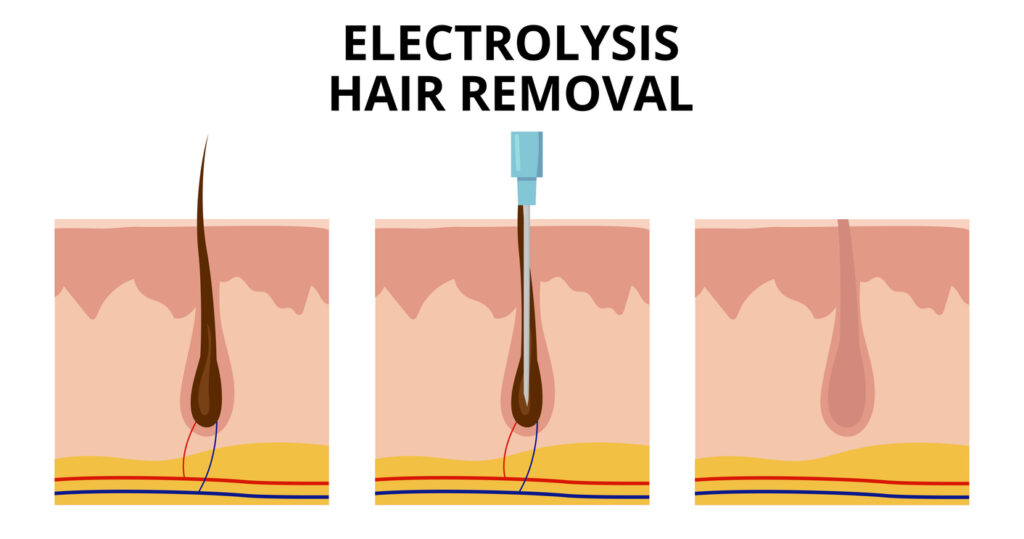
Electrolysis offers a permanent solution. A fine probe is inserted precisely into the hair follicle and a controlled electrical current destroys the follicle at its root.
Once ablated, the lash usually does not grow back, although some cases may require repeat treatment.
The treatment is highly targeted — only the problematic follicles are treated, with surrounding tissue remaining unaffected.

At Cathedral Eye Clinic, electrolysis for trichiasis is performed by Mr Sri Kamalarajah using specialist ophthalmic-grade equipment.
As an oculoplastic surgeon rather than a general practitioner, he is uniquely qualified to assess and treat the underlying cause of trichiasis alongside lash removal, providing a comprehensive approach that goes beyond simple epilation.

Meet your Surgeon

Mr Sri Kamalarajah

Consultant Ophthalmic Surgeon & Glaucoma Specialist

Mr Sri Kamalarajah is a Consultant Ophthalmic Surgeon with a specialist interest in oculoplastic, lacrimal and orbital surgery.

With over 20 years of experience in the field, he brings a wealth of expertise to every procedure he performs at Cathedral Eye Clinic.

Your Patient Journey at Cathedral Eye Clinic

1

Detailed Consultation

Your consultation with Mr Kamalarajah will begin with a careful examination of your eyelids and ocular surface. He will identify which lashes are misdirected, assess any corneal involvement, and determine whether trichiasis is occurring in isolation or as a consequence of an underlying structural problem such as entropion. A personalised treatment plan will be discussed with you, including the number of sessions likely to be required and what to expect from the procedure.

2

Procedure

Electrolysis is performed in the clinic as an outpatient procedure. A topical or local anaesthetic is applied to ensure your comfort throughout. The procedure is precise and methodical — each problematic follicle is treated individually. Depending on the number of lashes involved, treatment may be completed in a single session or may require a small number of visits.

3

Aftercare & Follow-Up

Following your treatment, Mr Kamalarajah will review you to assess the outcome and confirm that all targeted lashes have been successfully treated. You will receive clear aftercare guidance, and our team is available should you have any concerns during the post-treatment period. In some cases, a small number of lashes may require a repeat treatment session.

If you are experiencing persistent eye irritation that may be caused by ingrown lashes, contact Cathedral Eye Clinic Belfast to arrange an assessment with Mr Sri Kamalarajah.

I was very satisfied with my first appointment to the cathedral clinic very comfortable every thing explained to me well from the consultant to all the staff at reception and the procedure I was going to have. I was not rushed and felt very comfortable at the cathedral eye clinic and looking forward to having my procedure in 2 weeks time

Verified Patient · Doctify

Investment in your Vision

Cost & Payment Options

At Cathedral Eye Clinic, we believe clear and honest pricing is essential when planning your care.

0% finance available

Consultation

Initial Consultation

£225

Includes a comprehensive assessment with one of our specialist consultants.

Treatment

Electrolysis for Ingrown Eyelashes

from £650 per session (Treatment)

Making Treatment Accessible

To make treatment more accessible, we offer interest-free finance options , allowing you to spread the cost over manageable monthly instalments.

Contact our team to discuss personalised pricing and finance options tailored to your needs.

Frequently Asked Questions

Is electrolysis for eyelashes painful?
A topical or local anaesthetic is applied before treatment, so most patients experience little to no discomfort during the procedure. Some mild stinging or a warm sensation may be felt as each follicle is treated, but this is generally very well tolerated.
How many sessions will I need?
This depends on how many lashes are affected and their location. Some patients require only a single session; others with more widespread trichiasis may need two or three visits. Mr Kamalarajah will give you a realistic expectation at your initial consultation.
Will the lashes definitely not grow back after electrolysis?
Electrolysis is the most effective method for permanent lash follicle destruction. When performed correctly, the treated follicle is unable to produce a new lash. In a small number of cases, a lash may partially regrow if the follicle was not fully ablated, and a further treatment session can address this.
Can I just keep plucking the lashes instead?
Regular plucking provides temporary relief but does not address the underlying problem. Lashes typically regrow within four to six weeks, and repeated trauma to the follicle can make hairs coarser and more difficult to remove over time. Electrolysis breaks the cycle permanently.
What if my ingrown lashes are caused by a turning eyelid (entropion)?
If entropion is contributing to your trichiasis, electrolysis alone may not be the most appropriate primary treatment. Mr Kamalarajah will assess your eyelid position during consultation and, where surgical correction of the lid is indicated, will discuss this with you as part of a comprehensive management plan.
How soon can I return to normal activities after electrolysis?
Most patients can return to their normal routine within 24 to 48 hours. Some mild redness or localised swelling at the treatment sites is expected and settles quickly. We advise avoiding eye make-up for 48 hours following treatment.
What problems can occur after the procedure?
Bruising and swelling of the eyelids is common. These changes will settle after a few weeks.

A post-operative infection may develop in the lids.

Rarely a small 'notch' can occur at the site of treatment on the lid margin.

Rarely a small 'notch' can occur at the site of treatment on the lid margin.

Sometimes lashes require multiple treatments to completely ablate the follicle.

Ready to Begin Your Journey?