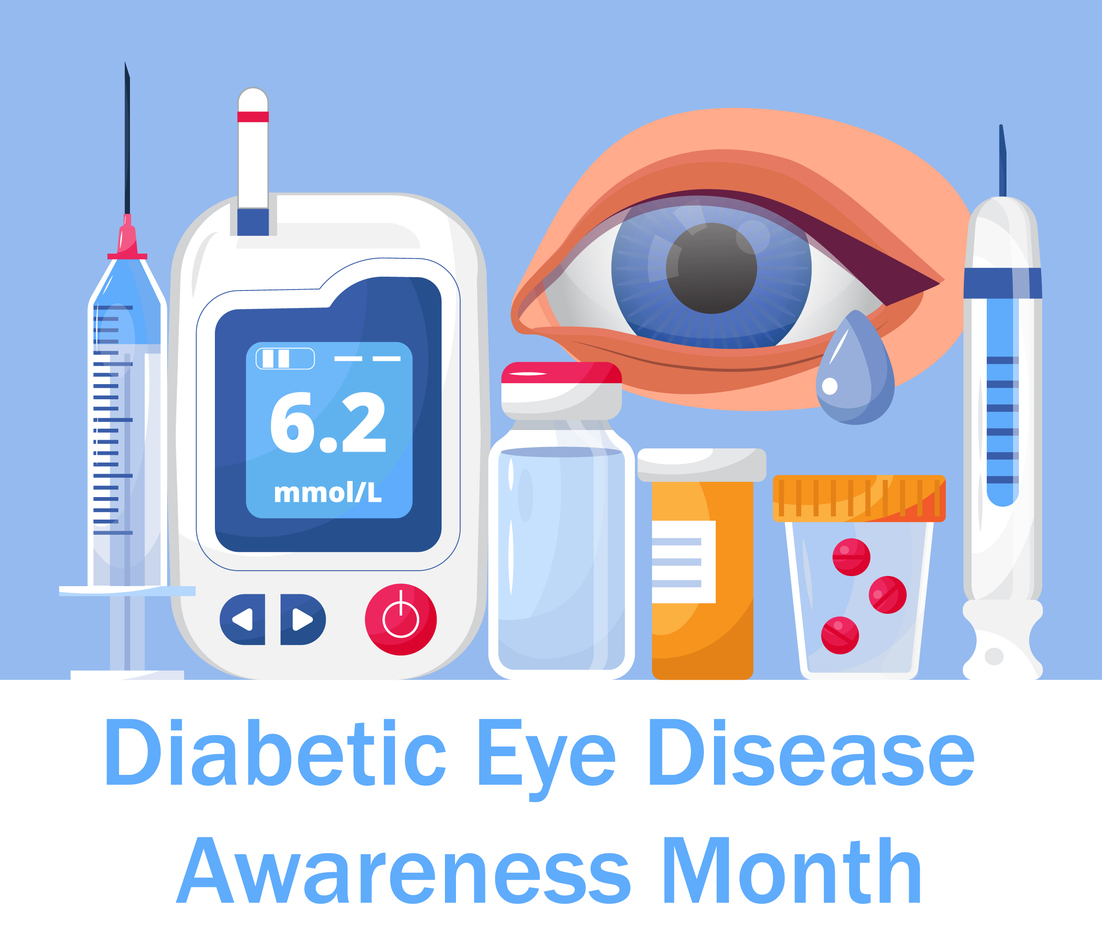
Diabetes can affect many parts of the body, including your eyes. While changes to your vision may not be an immediate concern when you are diagnosed with diabetes, high blood sugar levels can gradually damage the delicate structures inside your eyes. Without appropriate monitoring and treatment, this damage can lead to sight loss.
Diabetic eye disease describes a group of eye conditions associated with diabetes, including diabetic retinopathy, diabetic macular oedema, cataracts and glaucoma. Some of these conditions can develop without noticeable symptoms in their early stages, making regular eye screening an important part of managing your health.
Understanding how diabetes affects your eyes, recognising potential warning signs and attending your recommended appointments can help you take steps to protect your vision.
What Is Diabetic Eye Disease?
Diabetic eye disease refers to several eye conditions that are more common in people living with diabetes. These conditions can affect different parts of the eye and may lead to vision problems if they are not identified and managed appropriately.
When blood glucose levels remain high over time, the small blood vessels supplying the retina can become damaged. The retina is the light-sensitive layer at the back of the eye that converts light into signals sent to the brain, allowing you to see.
Damage to these blood vessels can cause them to leak fluid, bleed or become blocked. In more advanced cases, abnormal new blood vessels may grow, potentially leading to further complications.
However, the effects of diabetes on your eyes are not limited to the retina. People with diabetes also have an increased risk of developing cataracts and glaucoma.
The good news is that appropriate diabetes management, regular eye screening and timely treatment can help reduce the risk of serious vision complications.
Four Types of Diabetic Eye Disease
There are several conditions associated with diabetes. Understanding the differences can help explain why monitoring your eye health is so important.
1. Diabetic Retinopathy
Diabetic retinopathy occurs when high blood glucose levels damage the blood vessels in the retina. It is one of the main causes of vision loss associated with diabetes.
In the early stages, small blood vessels may weaken, swell or leak fluid into the retina. This is known as background or non-proliferative diabetic retinopathy.
As the condition progresses, some blood vessels may become blocked, restricting the blood supply to parts of the retina. In advanced cases, abnormal new blood vessels can develop. These vessels are fragile and may bleed into the eye or contribute to scar tissue formation, potentially causing serious sight problems.
Diabetic retinopathy does not always affect vision immediately. Someone may have changes in their retina without noticing any difference in how clearly they can see.
This is why diabetic eye screening is essential, even when your eyesight appears normal.
2. Diabetic Macular Oedema
The macula is the central part of the retina responsible for detailed vision. It helps you see clearly when reading, recognising faces and carrying out tasks that require sharp central vision.
Diabetes can cause fluid to leak from damaged blood vessels and accumulate in the macula. This is known as diabetic macular oedema.
The resulting swelling can affect central vision, making objects appear blurred or distorted. It can occur alongside diabetic retinopathy and may require specialist assessment and treatment.
3. Cataracts
A cataract develops when the natural lens inside the eye becomes cloudy, affecting the clarity of your vision.
Cataracts commonly develop with age, but people with diabetes are more likely to develop them and may do so at a younger age.
Symptoms can include blurred vision, difficulty seeing clearly in low light and colours appearing less vivid.
Cataracts can usually be treated with surgery when they significantly affect vision. Your ophthalmologist can assess your eyes and advise whether cataract surgery is appropriate.

4. Glaucoma
Glaucoma describes a group of conditions that damage the optic nerve, which carries visual information from the eye to the brain.
People with diabetes have an increased risk of developing glaucoma. Certain types can cause gradual loss of peripheral vision, and damage may occur before symptoms become noticeable.
Regular eye examinations can help identify signs of glaucoma and determine whether further investigations or treatment are needed.
Source: National Institute of Diabetes and Digestive and Kidney Diseases (NIDDK), Diabetic Eye Disease.
What Are the Symptoms of Diabetic Eye Disease?
One of the most important things to understand about diabetic eye disease is that it may not cause symptoms in its early stages.
You could have changes in the blood vessels at the back of your eyes without experiencing pain or noticing any deterioration in your eyesight. Waiting until your vision changes before seeking an assessment can therefore mean that an eye condition has already progressed.
When symptoms do occur, they may include:
- Blurred or distorted vision.
- Dark spots, specks or floating shapes in your vision.
- Difficulty seeing clearly in low light.
- Colours appearing less vivid.
- Areas of reduced vision or sight loss.
- Vision that changes or fluctuates.
These symptoms can have several causes and do not necessarily mean you have diabetic eye disease. However, they should be assessed by an appropriate healthcare professional.
Seek urgent medical attention if your vision suddenly deteriorates, you experience a sudden increase in floaters or flashes of light, or you notice a dark shadow or curtain across your vision. These can be signs of a serious eye problem requiring urgent assessment.
Who Is at Risk of Diabetic Eye Disease?
Anyone with Type 1 or Type 2 diabetes can develop diabetic eye disease. Your risk generally increases the longer you have diabetes, although complications can occur at different stages of the condition.
Several factors can increase the likelihood of developing eye complications, including:
- Persistently high blood glucose: Elevated blood sugar levels over time can damage the small blood vessels in the eyes.
- High blood pressure: Uncontrolled blood pressure can contribute to damage affecting the retinal blood vessels.
- High cholesterol: Elevated cholesterol levels may increase the risk of complications affecting the eyes.
- Smoking: Smoking can contribute to poorer vascular health and increase the risk of complications.
- Pregnancy: If you already have diabetes, pregnancy can cause diabetic retinopathy to develop or progress more quickly. Additional monitoring may be recommended.
Having one or more of these risk factors does not mean you will necessarily develop sight problems. However, managing them alongside your diabetes can help protect your long-term eye health.
How Can You Protect Your Eyes If You Have Diabetes?
Although diabetic eye disease can lead to sight loss, there are practical steps you can take to reduce your risk and help identify problems early.
1. Attend Your Diabetic Eye Screening Appointments
Regular diabetic eye screening is one of the most important ways to identify changes before they affect your vision.
Screening usually involves taking photographs of the retina to look for signs of diabetic retinopathy. Eye drops may be used to widen your pupils so that the back of your eyes can be examined more clearly.
2. Manage Your Blood Glucose Levels
Keeping your blood glucose within the range agreed with your diabetes care team can help reduce the risk of complications affecting your eyes.
Follow your prescribed diabetes treatment plan and attend your routine diabetes reviews. Your GP or diabetes specialist can advise on managing your blood glucose and whether any adjustments to your treatment are appropriate.
Good diabetes management is important even if you have not experienced any changes to your vision.
3. Monitor Your Blood Pressure and Cholesterol
High blood pressure and cholesterol can contribute to the risk of diabetic eye complications.
Attend the health checks recommended by your healthcare team and follow their advice on managing these factors. Depending on your individual circumstances, this may involve medication, dietary changes or other lifestyle adjustments.
4. Make Healthy Lifestyle Choices
Healthy lifestyle habits can support your overall wellbeing and help you manage diabetes.
Where appropriate, aim to eat a balanced diet, remain physically active and avoid smoking. If you smoke, seek support to stop.
Your diabetes care team can help you identify realistic changes that suit your circumstances and complement your treatment plan.
5. Do Not Ignore Changes in Your Vision
Even if you attend regular screening, it is important to seek advice if you notice new symptoms between appointments.
Contact your optometrist, GP or diabetes care team if your vision gradually deteriorates, becomes persistently blurred or you notice new floaters. Sudden changes require urgent medical assessment.
Regular screening and prompt assessment of symptoms work together to help protect your eyesight.
Can Diabetic Eye Disease Be Treated?
Treatment depends on the condition affecting your eyes, how advanced it is and whether your vision has been affected.
Not everyone diagnosed with diabetic retinopathy will need immediate treatment. Early changes may be monitored through regular screening, alongside appropriate management of diabetes and other risk factors.
If diabetic retinopathy progresses or threatens your vision, a specialist may recommend one or more treatments, such as:
- Laser treatment: Laser photocoagulation can be used to treat certain forms of diabetic retinopathy by targeting areas of the retina.
- Anti-VEGF injections: Medication injected into the eye can help reduce abnormal blood vessel growth and treat diabetic macular oedema.
- Steroid treatment: In selected cases, steroid medication delivered into the eye can help reduce swelling.
- Eye surgery: Surgery may be necessary for certain advanced complications, such as bleeding into the eye or the formation of scar tissue.
Treatment aims to prevent or limit further vision loss. It cannot always restore vision that has already been permanently lost, which is why early detection matters.
Cataracts and glaucoma require their own assessment and management plans, depending on the individual diagnosis.
If screening identifies a concern, you may be referred to an ophthalmologist for further investigations and advice about appropriate treatment.
Frequently Asked Questions About Diabetic Eye Disease
Can diabetes affect your eyesight even if your blood sugar is well controlled?
Yes. Good blood glucose management helps reduce the risk of complications, but it does not eliminate it completely. Other factors, including how long you have had diabetes, your blood pressure and cholesterol levels, can also influence your risk. Continue attending your recommended screening appointments even when your diabetes is well controlled.
How often should I have my eyes checked if I have diabetes?
Your diabetic eye screening interval depends on your circumstances and previous results. In Northern Ireland, you should follow the schedule provided by your local screening programme. Eligible people may be invited every one or two years, depending on their screening results.
You should also attend routine eye examinations with an optometrist, as these check for other eye conditions that diabetic screening may not detect.
Can diabetic eye disease be reversed?
It depends on the condition and the extent of the damage. Some early changes may remain stable with appropriate management, while treatments can help prevent or slow further deterioration. However, established damage and sight loss cannot always be reversed.
This is why attending screening and following your healthcare team’s advice are so important.
Does diabetic retinopathy always cause symptoms?
No. Diabetic retinopathy can develop without noticeable symptoms, particularly in its early stages. You may have damage to the blood vessels at the back of your eyes while your vision still seems normal.
Regular diabetic eye screening helps identify these changes before they cause noticeable problems.
Can an ordinary eye test detect diabetic eye disease?
A comprehensive eye examination may identify signs of diabetic eye disease, depending on the tests performed. However, a routine eye test is not a replacement for your dedicated diabetic eye screening appointment.
Both are important parts of looking after your eye health if you have diabetes.
Protect Your Vision With Regular Eye Care
Diabetes can affect your eyes in several ways, from damaging the blood vessels in your retina to increasing your risk of cataracts and glaucoma. Although some complications can lead to permanent sight loss, regular screening, effective diabetes management and timely treatment can help reduce the risk.
If you have diabetes, do not wait until your eyesight changes before taking action. Attend your recommended diabetic eye screening appointments, continue having routine eye examinations and seek medical advice if you notice any changes to your vision.
At Cathedral Eye Clinic, we believe that informed patients are better equipped to make decisions about their eye health. If you have concerns about your vision, contact our team to discuss an appropriate eye assessment.
Contact Cathedral Eye Clinic
Call 028 9032 2020 or visit cathedraleye.com to find out more about our eye care services.