Dry Eye Treatment
Personalised care for dry, uncomfortable eyes
Dry eye disease is a common condition that can affect how your eyes feel, how clearly you see and your day-to-day comfort.
Dry Eye Treatment at Cathedral Eye Clinic
For some people, dry eye symptoms are occasional and manageable. For others, persistent dryness, irritation, watering or fluctuating vision can interfere with work, screen use, driving, contact lens wear and everyday activities.
At Cathedral Eye Clinic, we offer a range of dry eye treatments designed to address different aspects of dry eye disease. Your treatment plan will depend on your symptoms, the condition of your eyes and the underlying cause of your dry eye.
Our aim is to understand what is contributing to your symptoms and recommend the treatment, or combination of treatments, that is most appropriate for you.
What is a dry eye disease?
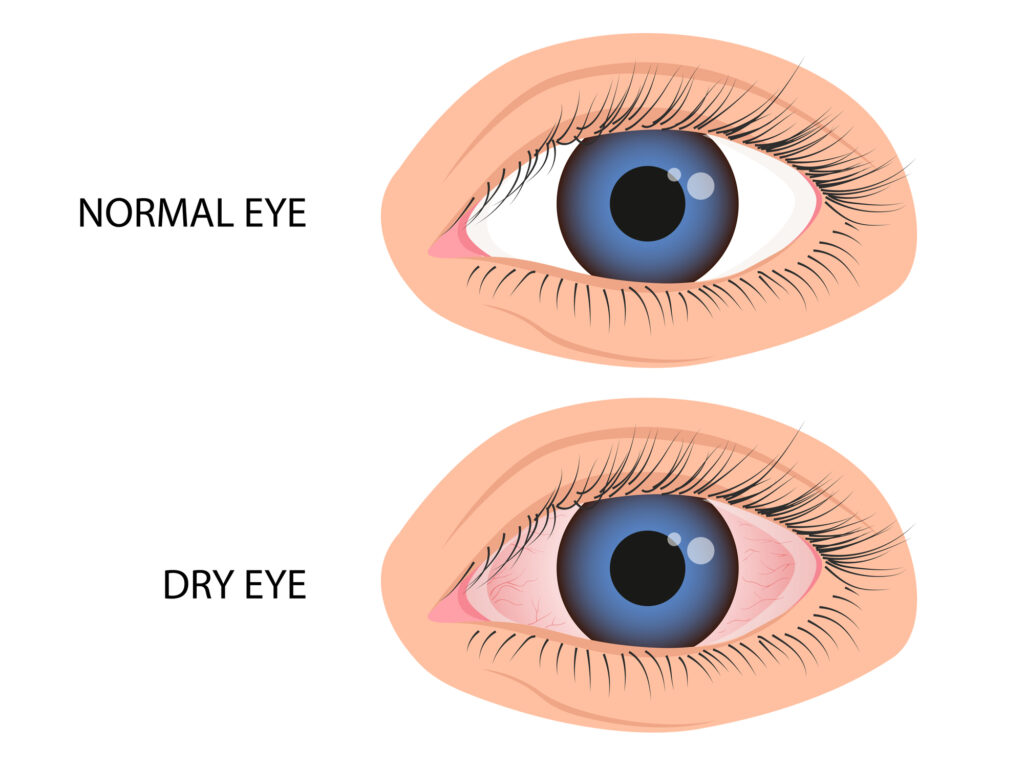
Dry eye disease occurs when the tear film that protects and lubricates the surface of your eyes is not working as it should.
Your tears are more than just water. The tear film contains different components that work together to keep the surface of the eye smooth, comfortable and protected.
Dry eye can occur when your eyes do not produce enough tears, when tears evaporate too quickly, or when the quality and stability of the tear film is affected. Problems with the meibomian glands in the eyelids, which produce oils that help reduce tear evaporation, can also contribute to dry eye symptoms.
This means that having dry eye does not necessarily mean that your eyes do not produce tears.
In fact, some people with dry eye experience excessive watering. This can happen when irritation on the surface of the eye triggers a reflex production of watery tears. These tears do not necessarily provide the same lasting protection as a stable tear film.
Dry eye can be temporary or ongoing, and symptoms can vary from person to person.
Healthy tear film Stable
Three even layers seal in moisture and hold the film to the eye — smooth, comfortable, clear vision.
Dry eye Unstable
A thin, broken oil layer lets tears evaporate too quickly. The film breaks up - grittiness, irritation, even reflex watering.
I had consultation with Rebecca relating to my dry eye condition.
Rebecca was amazing. Explained everything to me and gave me a treatment plan. She was so thorough and professional and I left feeling more positive that I could manage my dry eye condition. Reception staff are lovely would highly recommend.
Signs and symptoms of dry eye
Dry eye symptoms can vary considerably.
You may experience one symptom or several at the same time.
Common symptoms include:
Symptoms may be more noticeable in environments where the eyes are exposed to dry air, wind, heating or air conditioning.
Prolonged periods of reading or screen use can also contribute, as people tend to blink less frequently when concentrating.
Dry eyes can cause watering
It may seem contradictory, but watery eyes can be a symptom of dry eye.
When the surface of the eye becomes irritated, the body can respond by producing additional watery tears.
This can result in eyes that feel uncomfortable while also watering excessively.
What causes dry eye?
There is no single cause of dry eye disease.
It can develop when the eyes produce fewer tears, when tears evaporate too quickly, or when the tear film becomes unstable.
Conditions affecting the eyelids and meibomian glands can also contribute.
Factors associated with dry eye include:
Not everyone with these risk factors will develop dry eye, and symptoms can have more than one contributing cause. This is why understanding your individual symptoms and ocular surface is an important part of deciding which treatment may be appropriate.
Your dry eye assessment
Before recommending treatment, we need to understand your individual symptoms and the factors contributing to them.
Your consultation will give your clinician the opportunity to discuss:
Your symptoms
When they started, how frequently they occur and what tends to make them better or worse.
Your tear film
Your eyelids & meibomian glands
The surface of your eyes
Your assessment helps us determine whether a particular treatment is suitable for you.
Dry eye treatments at Cathedral Eye Clinic
There is no single treatment that is right for everyone with dry eye.
At Cathedral Eye Clinic, we offer four treatment approaches.
Your clinician will explain which option may be appropriate for your eyes and whether a combination of treatments is recommended.
Ocular lubricants
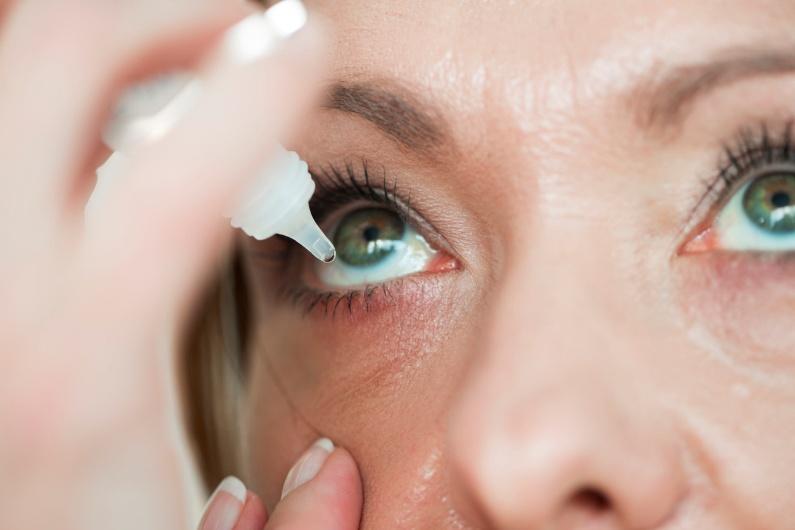
Ocular lubricants, often referred to as artificial tears, are designed to supplement the tear film and provide additional lubrication to the surface of the eye.
They are one of the most commonly used treatments for dry eye and may help relieve symptoms such as dryness, grittiness, burning and irritation.
There are different types and formulations of ocular lubricants, including drops and gels. Your clinician can advise on the type that is most appropriate for your symptoms.
For people who need to use lubricants frequently, preservative-free preparations may be recommended because preservatives can cause irritation in some people.
Ocular lubricants help to manage the symptoms of dry eye, but they do not necessarily address the underlying reason why your eyes are dry. This is why an assessment can be helpful if symptoms persist.
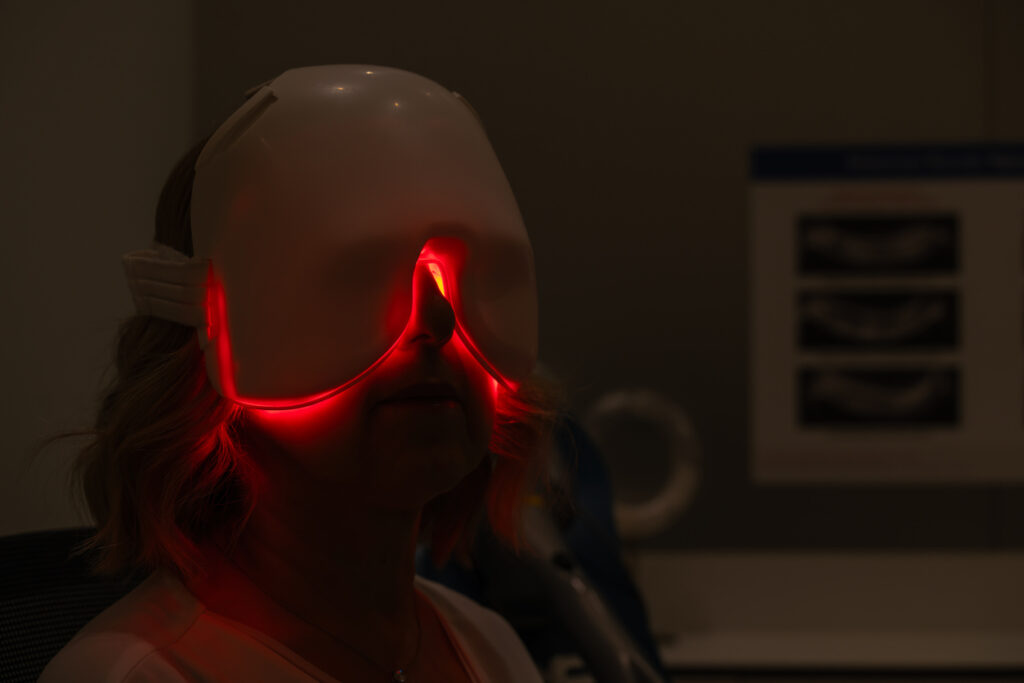
Eye-Light: IPL and LLLT
Eye-Light combines two forms of light-based treatment:
Intense Pulsed Light (IPL) and Low Level Light Therapy (LLLT).
The treatment is designed to address aspects of dry eye associated with meibomian gland dysfunction and tear film instability.
Intense Pulsed Light (IPL)
IPL uses controlled pulses of light applied to the skin around the eyes.
IPL has been studied as a treatment for meibomian gland dysfunction, which can affect the oily component of the tear film and contribute to increased tear evaporation.
Low Level Light Therapy (LLLT)
LLLT uses low-level light delivered using a specialised device. Eye-Light combines LLLT with IPL as part of a treatment approach for dry eye and meibomian gland dysfunction.
Clinical research has investigated combined IPL and LLLT for dry eye associated with meibomian gland dysfunction, with studies reporting improvements in symptoms and a number of clinical measures.
Your clinician will determine whether light-based treatment is appropriate for you following assessment.
Understanding Eye-Light
Placeholder for Cathedral Eye Clinic video explaining IPL and LLLT, how the treatment works and what patients can expect.
Punctal plugs
Your tears naturally drain away from the surface of the eye through tiny openings called puncta, located near the inner corners of your eyelids.
Punctal plugs are small devices inserted into these openings to reduce tear drainage.
By slowing the drainage of tears, punctal plugs can help retain tears on the surface of the eye for longer. They may also help retain lubricating drops on the ocular surface.
Punctal plugs are not suitable for every type of dry eye. Your clinician will assess your symptoms and tear film before deciding whether this treatment may be appropriate.

Tixel
Which dry eye treatment is right for me?
The most appropriate treatment depends on what is causing or contributing to your dry eye.
For example, a person whose symptoms are primarily related to insufficient lubrication may have different treatment needs from someone whose dry eye is associated with meibomian gland dysfunction and increased tear evaporation.
This is why we do not take a one-size-fits-all approach.
Following your assessment, your clinician will explain:
- What may be contributing to your dry eye
- Which treatments may be suitable
- What you can expect from treatment
- Whether one treatment or a combination of treatments is appropriate
- Any further assessment or follow-up that may be required
The aim is to create a treatment plan based on your eyes, your symptoms and your individual needs.
Why choose Cathedral Eye Clinic for dry eye treatment?
Quality Care, Clinical Excellence & Patient Safety are at the heart of everything we do.
-
A Centre of Ophthalmic Excellence
Dry eye care delivered within a dedicated ophthalmic setting, with specialist eye care and clinical expertise under one roof.
-
Individualised treatment
We take the time to understand your symptoms and assess your eyes before recommending treatment.
-
A range of treatment options
Tixel, ocular lubricants, Eye-Light IPL and LLLT, and punctal plugs — matched to your needs.
-
Clinical expertise
Experience across a broad range of ophthalmic conditions, so your symptoms are seen in the wider context of your eye health.
-
A clear patient journey
From your initial consultation through to treatment and follow-up, our team guides you at every stage.
Patient Stories
What our Patients say
"My appointment was for a problem with ‘dry eye’ . I didn’t know so many people suffered from this issue until recently. I came away feeling much better after seeing Keira who was so helpful and understanding. She checked my eyes , ran lots of tests and explained everything she was doing carefully. I came home with a list and different eyedrops to help my eyes . I can see ring Keira if I have any queries or concerns. Very pleased with the service ." - Doctify review
Dry Eye Treatment Cost
The cost of dry eye treatment depends on your individual assessment and the treatment recommended
As dry eye can have different causes and levels of severity, we believe it is important to assess your eyes before recommending a treatment plan.
Dry Eye Consultation
Full assessment of your symptoms, tear film and ocular surface.
£180
Eye-Light IPL + LLLT
Per session or course – price/package confirmed after assessment.
Per session
£300
Course of four
£1,000
Punctal plugs
Suitability confirmed at your consultation.
One eye
£150
Both eyes
£250
Ocular lubricants
Recommended type advised at consultation.
£
Your clinician will discuss the recommended treatment and associated costs with you before proceeding.
Frequently Asked Questions
Dry eye disease can be a long-term condition and symptoms can come and go. Management is focused on improving comfort and addressing the factors contributing to your symptoms. Some people may need ongoing treatment or repeat treatment depending on their individual circumstances.
Yes. Dry eye can sometimes cause excessive watering because irritation of the eye surface can trigger the production of watery tears.
Dry eye can cause blurred or fluctuating vision, particularly when the tear film on the surface of the eye is unstable.
Not always. Dry eye can occur because the eyes do not produce enough tears, but it can also occur when tears evaporate too quickly or when the tear film is unstable. Meibomian gland dysfunction can contribute to increased tear evaporation.
No. Punctal plugs are one treatment option and are not appropriate for every patient. Your clinician will assess your eyes and determine whether reducing tear drainage is suitable for you.
The best treatment depends on the cause and characteristics of your dry eye. A consultation allows your clinician to assess your symptoms and ocular surface and discuss the options that may be suitable for you.
Your treatment plan may involve more than one approach, depending on your individual needs. Your clinician will explain which treatments are appropriate for you.
If dry eye symptoms are persistent, affecting your everyday activities or not improving with measures you have already tried, it is worth seeking professional advice. If you experience a painful red eye, significant changes in vision or other urgent symptoms, seek prompt medical attention.
Ready to See Life Clearly?
If persistent dryness, irritation, watering or fluctuating vision is affecting your everyday life, our team can help you understand what may be causing your symptoms and whether dry eye treatment could be appropriate for you.
Book a consultation with Cathedral Eye Clinic to discuss your symptoms and explore your treatment options.
Call us on 028 9032 2020
- Takes less than 30 seconds
- Your data is secure